Toothmate - Designing trust before designing a website
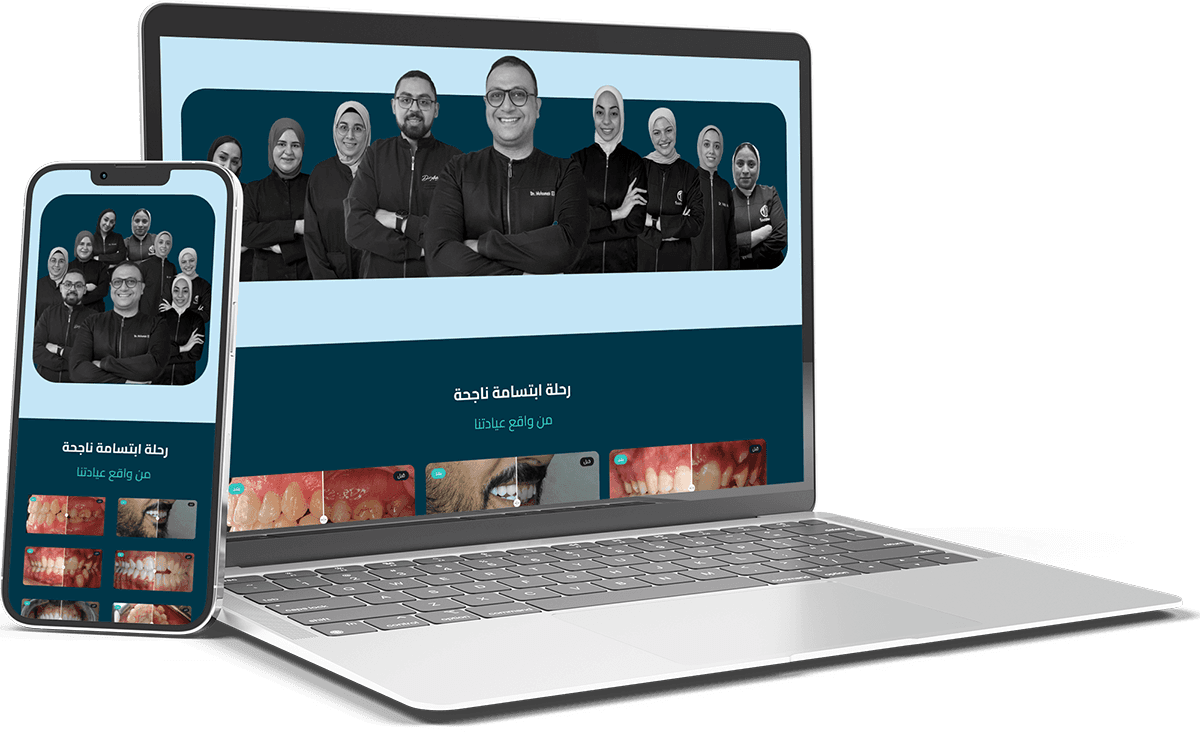
How I turned a dental clinic's digital presence into a conversion machine where a hesitant patient explore all the services and actually decides to book online.
UI/Visual Design | Research & Discovery | AI Image Editing | Bilingual AR/EN | Dev Handoff |
|---|
End-to-end designer for a medical brand that needed to earn trust digitally
This wasn't just a website project. It was a digital trust-building exercise for a medical practice — where the end goal isn't a click, it's a patient deciding to put their health in someone's hands based on what they see on a screen.
The Problem
Most dental clinic websites create anxiety, not confidence. The clinic already had patient trust. My job was to make the website reflect it, not undermine it.
The challenge
The challenge was translating all of that offline trust into a digital experience that made a hesitant person think: "I feel safe here. I'll book."
What did I find through my research?
Understanding what makes someone book OR bounce
Before designing anything, I needed to understand the mental model of a patient browsing a dental clinic website. What are they looking for? What pushes them over the edge from "maybe" to "I'll book now"?
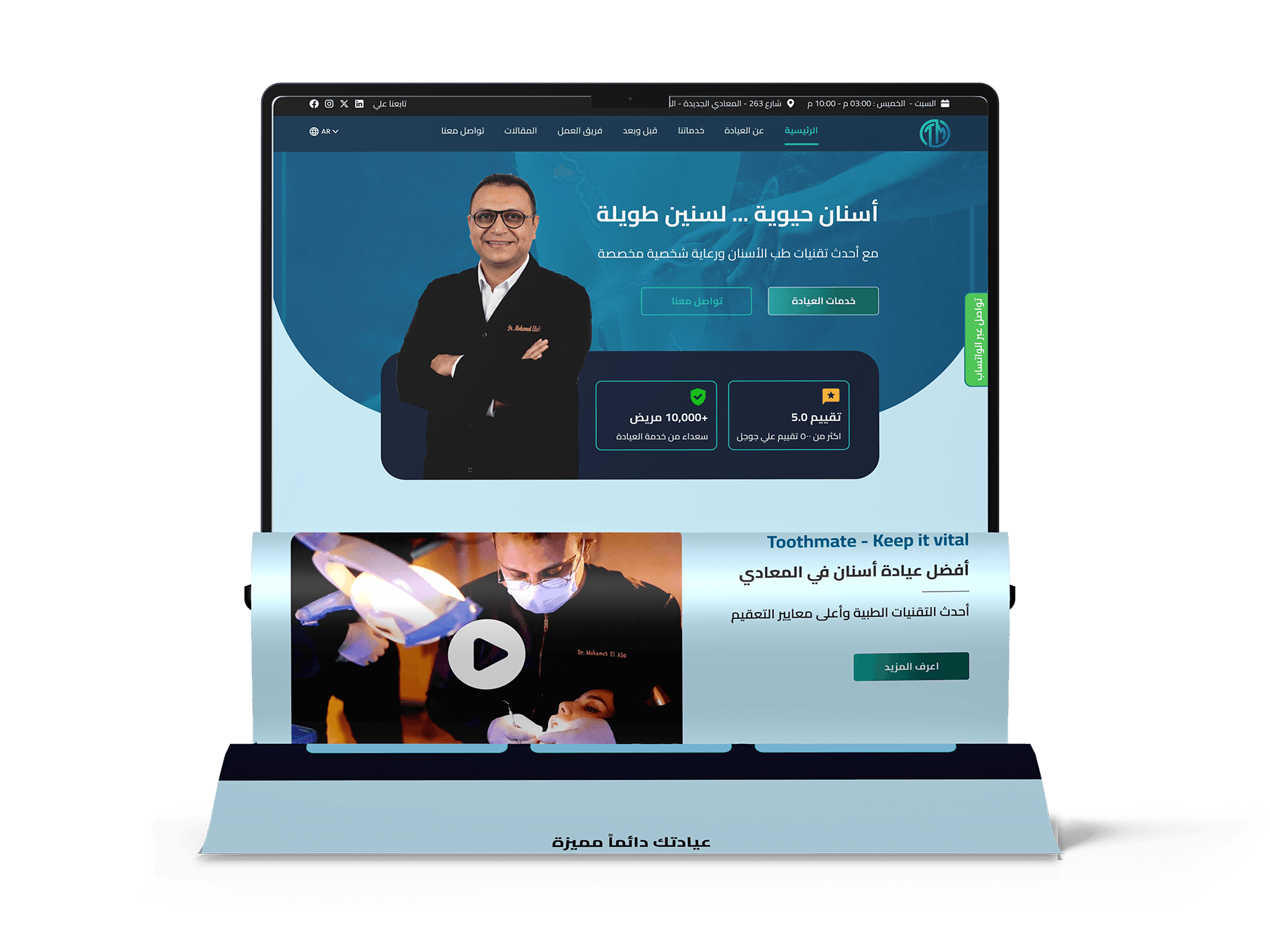
The first 3 seconds of the homepage are a trust test, not an information session. I also found that patients who bounce from dental websites share a common pattern: they land, see generic stock photos or a wall of text about services, and leave before scrolling.
What did I find through my research? | |
|---|---|
Understanding what makes someone book OR bounce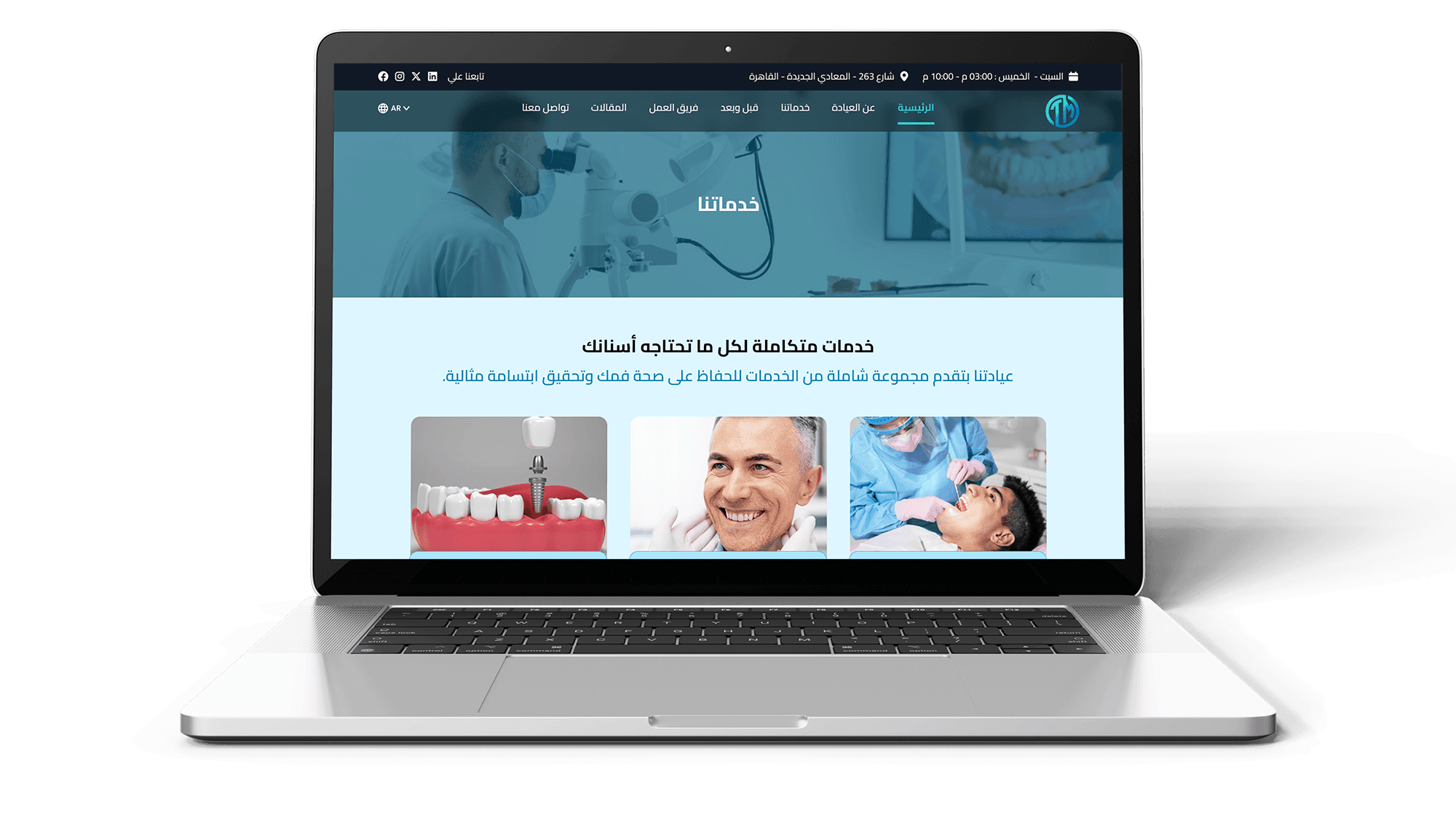 |
Core design challenge: | |
|---|---|
Building digital trust for a patient who's never visited the clinic | |
Real faces, not stock photos | Visible before & after results |
Team page with credentials | 10,000+ happy patients counter |
The choices that shaped the product
AI-enhanced clinical photography Why: Stock photos in medical contexts immediately signal "not real." Patients can feel the difference. Real but polished photos build far more trust than perfect but fake ones. | Before & after as a conversion section, not a gallery Why: Placement matters as much as content. Showing results at the moment a patient is mentally visualizing their own outcome is more persuasive than burying it in a separate gallery page. |
Medical design language, clean, not cold Why: Healthcare design often swings between "hospital cold" and "wellness warm." Toothmate needed to feel professional enough to trust with your teeth and approachable enough to actually call. | Design system for consistency across surfaces Why: With bilingual support and multiple page types (home, services, team, blog, contact), visual inconsistency would have eroded the professionalism the entire project was built to communicate. |


